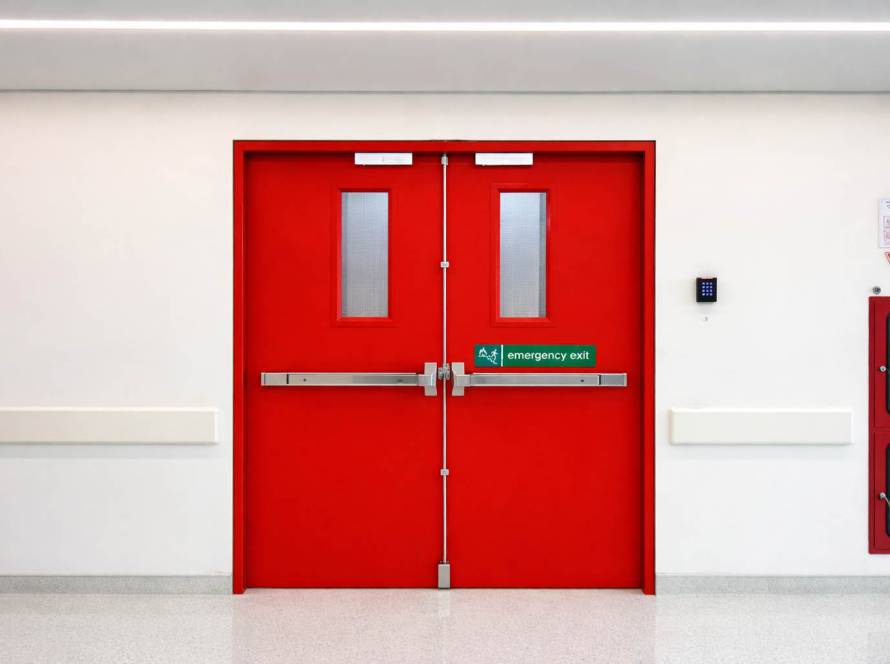
In modern construction, safety is not just a requirement—it is a responsibility. Architects and designers play a crucial role in ensuring that buildings are not only visually appealing but also compliant with strict safety standards. One of the most trusted solutions in fire protection is the use of certified fire doors, which have become a fundamental element in both commercial and industrial projects.
Certified fire doors are specifically engineered to prevent the spread of fire and smoke, helping to compartmentalize a building during an emergency. This containment is critical, as it provides occupants with valuable time to evacuate safely while minimizing property damage. For architects and designers, incorporating such life-saving systems into their plans is essential to meeting safety regulations and protecting building users.
A major reason professionals trust certified fire doors is their compliance with internationally recognized standards such as UL certification. These certifications ensure that the doors have undergone rigorous testing for fire resistance, durability, and performance under extreme conditions. By specifying certified products, architects and designers can confidently meet building codes and avoid potential legal or safety issues.
Beyond safety, certified fire doors are designed with flexibility in mind. They are available in a variety of materials, finishes, and configurations, allowing seamless integration into different architectural styles. Whether it’s a sleek commercial office, a large industrial facility, or a high-end residential project, fire doors can be customized to match both functional and aesthetic requirements.
Reliability and consistency also play a significant role in building trust. High-quality manufacturers maintain strict quality control processes and advanced production capabilities, ensuring that every fire door meets the same high standards regardless of project size. This consistency is especially important for large-scale developments where uniform performance is critical.
Additionally, architects and designers value manufacturers who offer strong technical support and customer service. From the initial design phase to installation and after-sales support, having a dependable partner ensures smooth project execution. Flexible production capabilities further enhance this trust, allowing manufacturers to accommodate unique project demands and timelines.
In conclusion, certified fire doors are a trusted choice for architects and designers because they combine safety, compliance, reliability, and design flexibility. By integrating these doors into their projects, professionals can deliver buildings that not only meet regulatory standards but also prioritize the protection of lives and property.